
Describe each phase in practical terms
A project can begin with outdoor preparation and later move workers into a building whose bathrooms are still unfinished or restricted. Plan the facility handover alongside the work phases. A building becoming enclosed does not by itself make its bathrooms available to the crew.
Explain who is present, where the work occurs and which fixed facilities they may use. Identify expected transitions without presenting a construction forecast as a guaranteed date for removing temporary equipment.
Compare standard toilets, accessible-use functions and washing for those occupied areas. Let the provider assess the changing demand; a single crew total does not show whether people can use one common point.
Keep a supported point through the transition
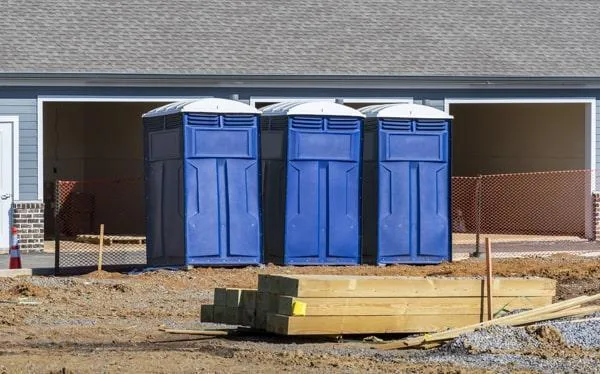
Agree the starting position with the controller and provider, including ground, door space and user, delivery and care routes. Describe where fencing, deliveries or active work are likely to change that space.
Before moving to another phase, review any new position and handling arrangement. Do not move the unit into a building or around a barrier simply because the crew has changed its work area.
Tie removal to actual usable facilities
Confirm cleaning, waste service, paper and washing water, soap, drying and used-water responsibilities throughout the work. Identify who can report delays and authorise a revised period or service scope.
When fixed bathrooms are ready, verify that the agreed workers may use them and that any remaining outdoor crew is covered. Then confirm collection through the provider; the project milestone alone is not a pickup instruction.
Questions before you book
Does moving indoors end the portable rental need?
Check actual fixed-facility availability and permission for the remaining workers before changing the scope.
May the crew reposition a cabin between phases?
Arrange a provider-reviewed move and approved new position first.