
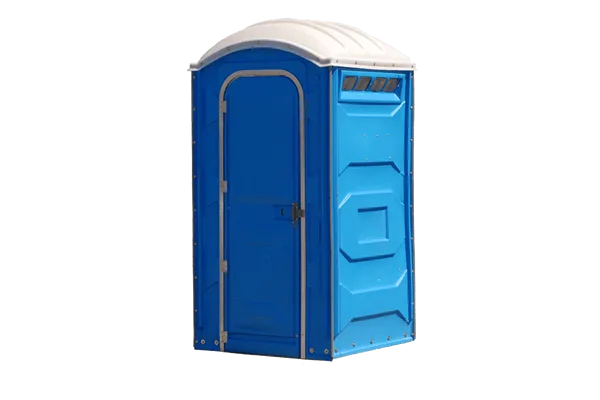
State the gap a basic cabin should fill
An added toilet point may be useful even where a building has bathrooms, but first explain why the existing provision does not serve the planned users. It might be unavailable during their occupied hours or restricted to another group. The reason changes the arrangement you should request.
A standard portable unit supplies a private toilet with waste held for servicing. Tell the provider which group needs it and when, rather than treating the number of bathrooms on the property as the whole answer.
Check the actual model. A standard label does not promise flushing, a sink or the features needed for a particular access requirement. Review those functions separately before deciding the basic cabin is sufficient.
Assess the added point as part of the layout
The property controller and provider need to agree ground, door movement, user approach and the space for delivery and recurring care. A vacant corner is a proposed position until those questions are resolved.
Explain whether the group moves between work areas or uses the point only during breaks. If people cannot reach the proposed location during their activity, an extra cabin there may not solve the stated gap.
Compare a complete basic arrangement
Ask who handles cleaning, waste, paper and washing water, soap, drying and used water. A lower-feature model still needs a workable care arrangement for the whole occupied period.
Confirm delivery, collection, duration and the reporting contact with the quote. If fixed bathrooms become available again, agree any change with the provider instead of assuming the rental ends automatically.
Questions before you book
Do existing indoor bathrooms remove the need for a temporary point?
Only if the intended users can use them for the relevant period and they meet the actual requirement.
Does standard mean no ongoing care?
No. Confirm waste, cleaning, supplies and washing support.